Showing posts with label 1898. Show all posts

Today in History : March 26th

On this date in...

1580: A royal decree provides for appointments to fill vacant benefices in the Cathedral at Manila.

1898: From Madrid, the Minister of War sends a cable to Governor General Fernando Primo de Rivera in Manila, thus: “The attitude and the threatening note of the United States make us believe that war is inevitable.”

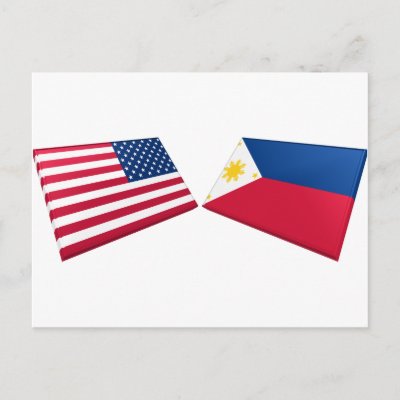
1920: The Philippine Legislature passes Act No. 2928 adopting the Philippine flag as the official flag of the Government of the Philippine Islands to be flown next to the American flag.

Today in History : March 17th

On this date in...

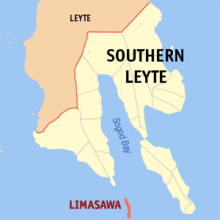
1521: Magellan lands in Limasawa. Limasawa is a 6th class municipality and an island of the same name in the province of Southern Leyte, Philippines. According to the 2000 census, it has a population of 5,157 people in 1,108 households, it lies south of Leyte, in the Mindanao Sea and is about 10 km from north to south.

1761: Francisco Javier de la Torre becomes ad interim governor of the Philippines. During hi term laws regulating commerce, the army, and the welfare of the islands are established.

1874: Manuel Blanco Valderama becomes ad interim governor-general of the Philippines.

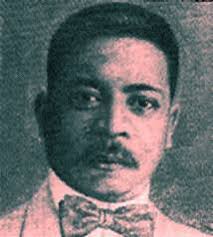
1877: Birth of Patricio Mariano at Santa Cruz, Manila. Patricio was a Filipino writer, poet, journalist and translator in the early 20th century Philippines. He wrote several Tagalog novels, which include Ang mga Anak Dalita and Ang Tala sa Panghulo. Mariano died at the age of 58 on January 25, 1935.

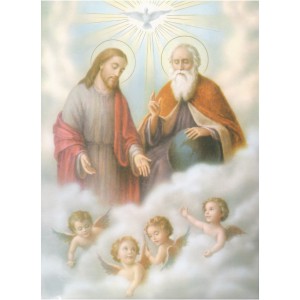
1898: A Spanish vessel enters Batangas Bay and siezes the Santisima Trinidad owned by General Francisco del Castillo where the secret papers of the Katipunan are kept.

1898: The Naic Assembly introduces a change in the Filipino flag. The Malayan letter K is replaced by a big sun with two eyes, a nose, and a mouth. It was the first official flag of the Filipino.The flag remains in use until the signing of the Pact of Biyak-na-Bato in December, 1897.

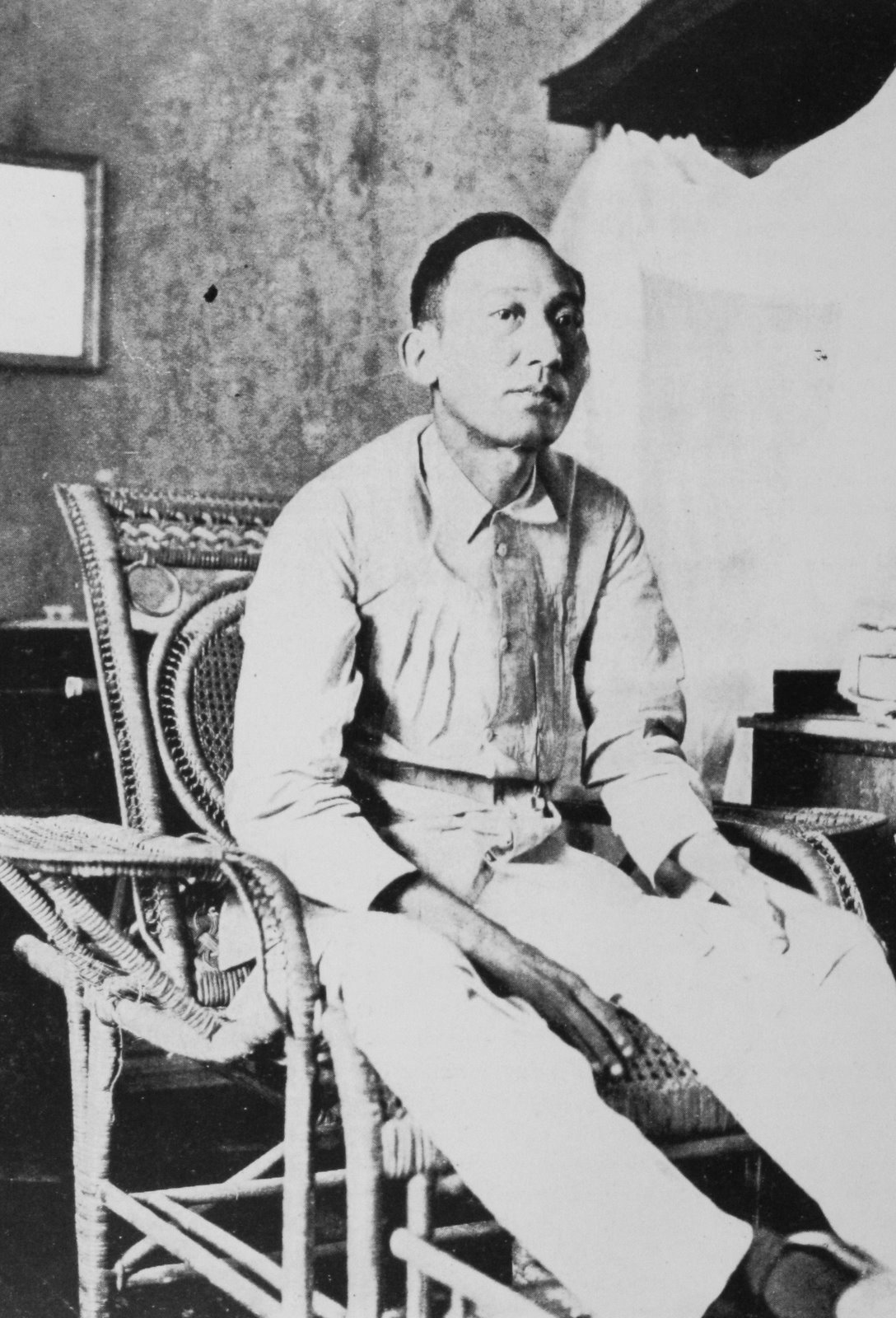
1957: President Ramon Magsaysay dies in a plane crash in Cebu. Magsaysay left Manila for Cebu City where he spoke at three educational institutions. That same night, at about 1 a.m., he boarded the presidential plane "Mt. Pinatubo", a C-47, heading back to Manila. In the early morning hours of March 17, his plane was reported missing. It was late in the afternoon that day that newspapers reported that the airplane had crashed on Mt. Manunggal in Cebu and that 25 of the 26 passengers and crew aboard were killed. Vice-President Carlos P. Garcia assumes the presidency.

Today in History : March 14th

On this date in...

1872: Jose Maria Basa, Antonio Maria Regidor, Balbino Mauricio, Ramon Maurente, Maximo Paterno, Father of Jose Maria Guevara, Father Agustin Mendoza, Feliciano Gomez, Pedro Dandan, Anacleto Desiderio, Miguel Lara, Miguel Rodriguez, Miguel Fernandez, Joaquin Pardo de Tavera, Pio Maria Basa, Father Mariano Sevilla, and others, sail on board the Flores de Maria bound for the Marianas islands to serve their prison terms for complicity in the Cavite Uprising.

1898: From Malolos Don Pedro A. Paterno replies to General Aguinaldo’s letter stating that he did not consent to the division of the P200,000 received from the Spanish Government by the revolutionary leaders left behind in Biyak-na-Bato. He says that he arrived in Manila from Hongkong on January 11, 1898 and learned that the money had been divided by the leaders on December 29, 1897.

1899: General Otis reports to the Adjutant-General in Washington that General Wheaton has attacked a large force of “the enemy” with heavy losses on the “Filipino” side. Other dispatches state that “fierce opposition” was offered by the Filipinos. Major Grant is ordered to take one of the gunboats and destroy all the vessels in Laguna de Bay.

1901: General Mariano Trias surrenders to the Americans in Santa Cruz de Malabon, Cavite. Mariano Trías y Closas is considered to be the first de facto Philippine Vice President of that revolutionary government established at the Tejeros Convention - an assembly of Philippine revolutionary leaders that elected officials of the revolutionary movement against the colonial government of Spain.

Today in History : March 11th

On this date in...

1565: Miguel López de Legazpi reaches Camiguin from Limasawa. Legaspi, also known as El Adelantado (The Governor) and El Viejo (The Elder), was a Spanish conquistador who established one of the first European settlements in the East Indies and the Pacific Islands in 1565. After obtaining peace with various indigenous tribes, López de Legazpi made the Philippines the capital of the Spanish East Indies in 1571.

1576: Juan de Salcedo, “the Hernan Cortes of the Philippines,” dies at Vigan. Juan de Salcedo was a Spanish conquistador. He was born in Mexico in 1549 and he was the grandson of Miguel López de Legazpi and brother of Felipe de Salcedo. Salcedo was one of the soldiers who accompanied the Spanish colonization of the Philippines in 1565.

1876: A protocol signed by England and Germany recognizes Spanish rights to the Tawi-Tawi group and the chain of islands stretching from Sulu to Borneo.

1876: A Supreme Court is established in the City of Cebu. Cebu is a province in the Philippines, consisting of Cebu island and 167 surrounding islands. It is located to the east of Negros, to the west of Leyte and Bohol islands.

1892: A royal decree is issued creating the Superior Normal School for Women Teachers in Manila under the direction of the Augustinians. University of Wisconsin–Superior is it's name today.

1898: General Emilio Aguinaldo appoints General Ambrosio Flores as quarter master for the armed forces of the Philippine Revolutionary government.

1899: Premier Mabini sends telegrams to the municipal and military chiefs of the provinces along the coasts instructing them to admit foreign merchant ships which might want to take loads of merchandise. --Desultory firing occurs at San Pedro Makati and caloocan. Filipinos are driven from a trench they have begun to construct. A War Department order withraws permission for families of officers and enlisted of officers and enlisted men to accompany troops to Manila.

1942: General Douglas MacArthur and his family leave Corregidor for Australia.

1945: Romblon and Zamboanga are occupied by the Americans in World War II.

1946: Col. Akira Nagahama, terror of Fort Santiago and head of the kempeitai during the latter part of the Japanese occupation, is found guilty and sentenced to death by hanging by the U.S. military tribunal.

1947: The Filipino people, headed by Manuel A. Roxas, ratifies the nation-wide plebiscite on the “Parity Amendment” to the Constitution. This gives the Americans and Filipinos equal rights in the exploitation of the natural resources of the Philippines.

1988: To counteract the threat of war in Mindanao, the government creates the Regional Consultative Commission. The commission is given the task to draft a charter for an autonomous region in Mindanao. The body is composed of 55 members, 27 from electoral districts in Mindanao and 28 others chosen by President Aquino. The secretariat is based in Zamboanga City.

Today in History : March 7th

On this date in...

1793: The Conciliar Seminary of Naga, Diocese of Nueva Caceres, founded by Dominican Bishop Msgr. Domingo Collantes is inaugurated. In time, the Spanish city and the native village merged into one community and became popularly known as Nueva Cáceres, to distinguish it from its namesake in Spain. It had a city government as prescribed by Spanish law, with an ayuntamiento and cabildo of its own. At the beginning of the 17th century, there were only five other ciudades in the Philippines. Nueva Cáceres remained the capital of the Ambos Camarines provinces and later of the Camarines Sur province until the formal creation of the independent chartered city of Naga under the Philippine Republic.


1820: Spanish ports are opened to Philippine trade and commerce and Philippine goods are granted preferential entry for a period of ten years.

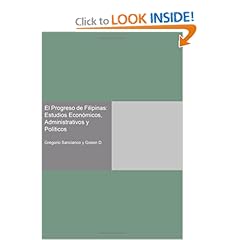
1852: Birth of Gregorio Sanciangco y Gozon, lawyer, writer, economist. Gregorio Gozon Sanciangco wrote “El Progreso De Filipinas” which advocated reforms in the political, administrative, agrarian, revenues, property, natural resources and urban development and taxation. Died on November 27, 1897.

1867: Birth of Tomas Remigio, Katipunan leader and revolutionary hero. Tomas Remigio a secretary of "Mayon" which was a branch of La Liga Filipina and used the pseudonym "Malingap". Died on August 1, 1916.

1898: The revolutionalists of Zambales besiege the cable station at Bolinao and seize the telegraphic line between that town and Manila. Filipino rebels attack Balincaguin, Pangasinan, and dislodge the Spanish defenders from their positions. The town of Anda, Pangasinan, also takes up arms and imprisons the Spanish curate.

1899: Apolinario Mabini writes Emilio Aguinaldo that Antonio Luna has submitted his irrevocable resignation as Chief of Operations. The Philippine Republic approves a “Provisional Law on the Judiciary” and a “Pension Law for War Widows, Orphans, and Disabled Officers.” The Twentieth regular Infantry takes part in an attack led by General Hale’s brigade, on several thousand Filipinos near the Pasig River. General Hale withdraws to the positions he occupied in the morning and the Filipinos follow in force, reoccupying lost ground.

1901: In Palanan, President Emilio Aguinaldo receives a letter from Mabini in Manila dated November 22, 1900, transmitting messages from US General Arthur MacArthur and J.F. Bell to the effect that independence cannot be granted, and that Aguinaldo should return to Manila and live in Malacañang Palace with MacArthur. Mabini asks Aguinaldo whether he should plead for independence or for autonomy, now that McKinley has been re-elected.

1947: Leaders of the Nacionalista Party, such as Camilo Osias, Jose P. Laurel, Tomas Confessor, Felicisimo Serrano, Salvador Araneta, campaign for the rejection of the Parity Amendment.

Today in History : February 19th

On this date in...

1888: Aurora Antonia Aragón de Quezon was born to Pedro Aragón and Zeneida Molina, in the town of Baler in Tayabas province. Aurora Antonia Aragón de Quezon , usually known simply as Aurora Quezon, and sometimes as Aurora Aragón-Quezon, was the wife of Philippine President Manuel Luis Quezon and the First Lady of the Philippines from 1935 to 1944. Though she is recognized as the second First Lady of the Philippines, she was actually the first spouse of a Philippine president to be called as such, the honorific being unknown during the presidency of Emilio Aguinaldo, and thus not applied at that time to his wife Hilaria.

1898: Filipina revolutionary and patriot Delfina Herbosa marries fellow Katipunero Jose Salvador Natividad; she is the niece of national hero Jose Rizal and, together with her future revolutionary general husband, fought various battles against the Spaniards during the Philippine Revolution. Delfina Herbosa helped Marcela Mariño Agoncillo in making the filipino flag in hongkong.

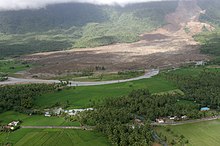
2006: A massive rock slide-debris avalanche occurred in the Philippine province of Southern Leyte that caused widespread damage and loss of life. The deadly landslide followed a ten-day period of heavy rains and a minor earthquake of magnitude 2.6 on the Richter scale. The official death toll stands at 1,126.

Today in History : January 25th

On this date in...

1898: The Spanish colonial government promulgates a proclamation granting amnesty to Filipino revolutionary leaders as part of the Biak-na-Bato truce agreement during the Philippine Revolution.

1933: Corazon Aquino was born. She was the 11th President of the Philippines and the first woman to hold such office. Aquino was also the first popularly and democratically-elected female president and head of state in Asia. Aquino is best remembered for leading the 1986 EDSA People Power Revolution, which toppled the authoritarian regime of the late strongman Ferdinand Marcos and restored democracy in the Philippines.

Today in History : January 21st

On this date in...

1893: Fernando Mamuri Maramág was born in Ilagan, Isabela. He was educated in the Philippine Normal School, and then transferred to the University of the Philippines. He worked as teacher at the Instituto de Manila, which later became the University of Manila. He was also writer and editor at several magazines, including Rising Philippines, Citizen, Philippine National Weekly, Philippines Herald, and The Tribune. He also served in the Publication Division of the Department of Justice, and then transferred to the office of the President of the Senate under Manuel L. Quezon. Si Fernando Maramag ay isa sa mga pinakamagagaling na manunulat na Pilipino. Nakilala siya sa larangan ng panulaan at pamamahayag. Naging editor siya ng The Manila Tribune.
1898: The Malolos Constitution was promulgated. Two days later, the Philippine republic was inaugurated with Emilio Aguinaldo as president.

1899: The Malolos Constitution is declared in effect by Gen. Emilio Aguinaldo, the first President of the fledgling Philippine Republic; in less than a month, the Philippine-American War will be started by the US forces.

1987: Jay-R Siaboc (Eduardo Siaboc Jr. in real life) was born, he is a Filipino singer actor who hailed from Toledo City, Cebu. He was first recognized as runner-up to grand star dreamer Yeng Constantino in the very first season of ABS-CBN’s Philippine version of Pinoy Dream Academy (PDA).

Today in History : January 14th

On this date in...

1898: Macabulos disbanded his troops and accepted amnesty after receiving P14,000 as part of Spanish reparations to Filipino revolutionaries after refusing to honor the Pact of Biak-na-Bato, which called for a truce with the Spanish colonial government, and continued operations in Central Luzon. Macabulos distributed the money to his men.

2002: the United States and the Philippines prepared for joint military operations against Abu Sayyaf, an extremist Muslim group with links to Al Qaeda. A plan was agreed to by the two countries whereby 650 U.S. military personnel were to be sent to the Philippines within weeks.

NGAYON SA KASAYSAYAN NG PILIPINAS

(TODAY IN HISTORY OF THE PHILIPPINES)because history is the key to the future...