Showing posts with label 1820. Show all posts

Today in History : March 10th

On this date in...

1583: Death of Governor-General Gonzalo Ronquillo de Peñalosa, founder of Nueva Caceres in 1582. His first official action was to order Manila to become Philippines's political and economic capital in 1582. That same year, he established the Palacio del Gobernador (Governor's Palace) in Intramuros, Manila to integrate all governmental activities in the Philippines.
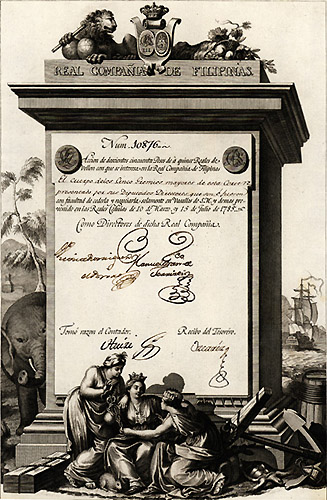
1785: The Real Compañia de Filipinas is established with a capital stock of P8,000,000 in 32,000 shares of P250 each. Its chief objective is to open commercial relations among the different colonies of Spain.

1820: King Ferdinand VII issues his famous manifesto proclaiming the re-establishment of the Cortes and the restoration of the Constitution of 1812.

1869: Birth of Macario Adriatico, lawyer, legislator, orator, scholar, journalist, and editor of La Independencia, in Calapan, Mindoro. He also helped liberate Romblon from the colonizers, and became Comandante de Estado Mayor of the Filipino Army in Panay at the dawn of the Filipino-American War until 1901. As a writer, Adriatico had contributed many of his works to several publications, and edited the Partido Conservador's Diario de Filipinos in 1907. Died on April 14, 1919.

1892: The lodge Nilad, which was established by Pedro Serrano Laktaw and Antonio Luna, is recognized by the Gran Oriente Español, the Spanish mother lodge.
1899: The U.S. transport Grant, with Major-General Henry Lawton, the Fourth Infantry, and a battalion of the Seventeenth Infantry aboard, arrives in Manila. The Council of Government agrees with the Permanent Commission of Congress to establish a Supreme Court in the capital of the Republic “because the cases are pilling up for lack of judges to try them.”

1900: President Emilio Aguinaldo issues a proclamation making it “a grave crime against the sovereignty of the Philippine Republic” for friars and other foreign priests, illegally holding ecclesiastical office of the Philippines, to ask the government of the U.S., at war with the Philippine Republic, to re-establish the ecclesiastical order that existed in the country before the Revolution.

1901: Don Isabelo de los Reyes’ periodical, Filipinas Ante Europa, publishes General Emilio Aguinaldo’s general order regulating the exchange of prisoners of war with the Americans and treating as traitors the partisans of the Federal party.

1917: Batangas was formally founded as one of the Philippines's earliest encomiendas. Batangas is one of the most popular tourist destinations near Metro Manila. The province has many beaches and famous for excellent diving spots only a few hours away from Manila. Some of the more notable ones are Anilao in the Municipality of Mabini, Matabungkay in the Municipality of Lian, Punta Fuego in the Municipality of Nasugbu, the Municipality of Calatagan and Laiya in the Municipality of San Juan.

1947: President Manuel A. Roxas narrowly escapes death during a “Parity” rally at Plaza Miranda, Quiapo, Manila. Julio C. Guillen, a barber, hurls a hand grenade on the platform immediately after the President delivers a speech.

Today in History : March 7th

On this date in...

1793: The Conciliar Seminary of Naga, Diocese of Nueva Caceres, founded by Dominican Bishop Msgr. Domingo Collantes is inaugurated. In time, the Spanish city and the native village merged into one community and became popularly known as Nueva Cáceres, to distinguish it from its namesake in Spain. It had a city government as prescribed by Spanish law, with an ayuntamiento and cabildo of its own. At the beginning of the 17th century, there were only five other ciudades in the Philippines. Nueva Cáceres remained the capital of the Ambos Camarines provinces and later of the Camarines Sur province until the formal creation of the independent chartered city of Naga under the Philippine Republic.


1820: Spanish ports are opened to Philippine trade and commerce and Philippine goods are granted preferential entry for a period of ten years.

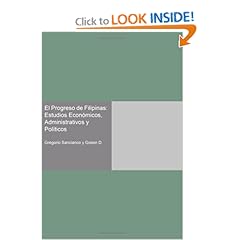
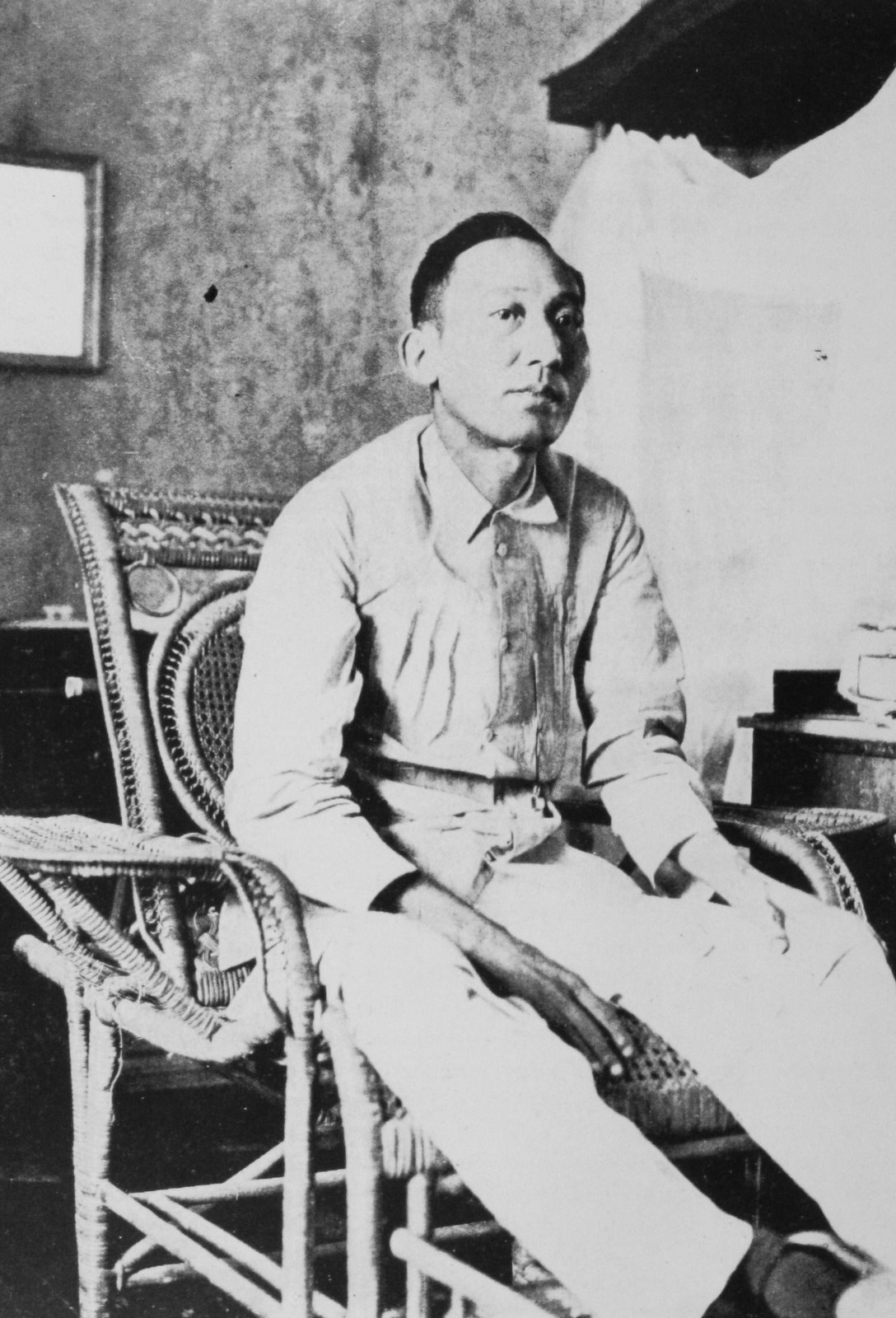
1852: Birth of Gregorio Sanciangco y Gozon, lawyer, writer, economist. Gregorio Gozon Sanciangco wrote “El Progreso De Filipinas” which advocated reforms in the political, administrative, agrarian, revenues, property, natural resources and urban development and taxation. Died on November 27, 1897.

1867: Birth of Tomas Remigio, Katipunan leader and revolutionary hero. Tomas Remigio a secretary of "Mayon" which was a branch of La Liga Filipina and used the pseudonym "Malingap". Died on August 1, 1916.

1898: The revolutionalists of Zambales besiege the cable station at Bolinao and seize the telegraphic line between that town and Manila. Filipino rebels attack Balincaguin, Pangasinan, and dislodge the Spanish defenders from their positions. The town of Anda, Pangasinan, also takes up arms and imprisons the Spanish curate.

1899: Apolinario Mabini writes Emilio Aguinaldo that Antonio Luna has submitted his irrevocable resignation as Chief of Operations. The Philippine Republic approves a “Provisional Law on the Judiciary” and a “Pension Law for War Widows, Orphans, and Disabled Officers.” The Twentieth regular Infantry takes part in an attack led by General Hale’s brigade, on several thousand Filipinos near the Pasig River. General Hale withdraws to the positions he occupied in the morning and the Filipinos follow in force, reoccupying lost ground.

1901: In Palanan, President Emilio Aguinaldo receives a letter from Mabini in Manila dated November 22, 1900, transmitting messages from US General Arthur MacArthur and J.F. Bell to the effect that independence cannot be granted, and that Aguinaldo should return to Manila and live in Malacañang Palace with MacArthur. Mabini asks Aguinaldo whether he should plead for independence or for autonomy, now that McKinley has been re-elected.

1947: Leaders of the Nacionalista Party, such as Camilo Osias, Jose P. Laurel, Tomas Confessor, Felicisimo Serrano, Salvador Araneta, campaign for the rejection of the Parity Amendment.

NGAYON SA KASAYSAYAN NG PILIPINAS

(TODAY IN HISTORY OF THE PHILIPPINES)because history is the key to the future...